
Was ist ein SWIFT-Code? Ein umfassender Leitfaden für Kunden
 Zurück
Wichtige Erkenntnisse:
SWIFT/BIC identifiziert das Finanzinstitut, die IBAN das konkrete Konto. Für die meisten internationalen Überweisungen werden beide benötigt.
Ein SWIFT-/BIC-Code hat 8 oder 11 Zeichen; eine IBAN bis zu 34. Nutzen Sie offizielle Quellen, um Ablehnungen und Rückbuchungen zu vermeiden.
SWIFT benötigen Sie für internationale Überweisungen, Lieferantenauszahlungen und Auslandseingänge. Gebühren können von Absender, Intermediären, Empfänger und FX kommen.
Überweisungen dauern 24 Stunden bis 1–3 Werktage. Verzögerungen entstehen typischerweise durch Cut-offs, Zeitzonen, Wochenenden/Feiertage, Intermediäre, Compliance-Prüfungen, FX und Datenfehler.
SWIFT, IBAN, BIC – die Anzahl der Abkürzungen in der Finanzwelt wächst stetig. Manche der Begriffe sind verwirrend. In diesem Beitrag beleuchten wir das SWIFT-System – wie es funktioniert und warum es für Ihr Unternehmen relevant ist – und versuchen einzuschätzen, ob SWIFT künftig von einer Alternative abgelöst werden könnte.
SWIFT- und BIC-Codes verstehen
Stellen Sie sich vor: Ende Monat muss ein Designunternehmen aus Bern Rechnungen eines Druckdienstleisters in Singapur begleichen. Der Finanzverantwortliche öffnet das Dashboard und richtet die Überweisung ein. Das Formular fragt nach SWIFT-Code und IBAN. Er trägt sie ein und bestätigt die Überweisung.Was passiert auf der anderen Seite? Der Anbieter sendet eine sichere Nachricht über das SWIFT-Netzwerk an das Institut des Lieferanten. Sind beide Anbieter über Nostro- und Vostro-Konten verbunden, wird die Nachricht direkt geroutet und die Gelder werden abgewickelt. Bestehen diese Verbindungen nicht, läuft die Zahlung über eine oder mehrere Korrespondenzbanken, denen beide Institute bereits vertrauen, bis sie schliesslich beim Lieferanten in Singapur ankommt.
Stellen Sie sich aber auch den umgekehrten Ausgang vor: Der Finanzverantwortliche hat es eilig und vertippt sich beim Code. Die Nachricht wird abgelehnt und in die manuelle Prüfung verschoben. Die Cut-off-Zeit ist vorbei, ein Wochenende kommt dazwischen, und der Lieferant wartet weiter. Daher gilt: Ohne die richtigen Kennungen kann eine Zahlung verzögert, zurückgewiesen werden oder den Empfänger gar nicht erreichen. Um das zu verhindern, müssen Absender die korrekte SWIFT-Nummer ihrer Bank eingeben.
Wofür stehen SWIFT und BIC?
→ SWIFT steht für Society for Worldwide Interbank Financial Telecommunication und verbindet über 11'000 Institute weltweit. Es handelt sich um ein sicheres Kommunikationsnetz, das standardisierte Zahlungs- und Meldenachrichten zwischen den Mitgliedern überträgt. Es bewegt kein Geld, sondern übermittelt „Zahlungsaufträge“, die Anbietern sagen, wie sie Gelder abwickeln sollen.→ Ein BIC (Bank Identifier Code) ist die „Sprache“, die SWIFT-Nachrichten nutzen, um das richtige Ziel zu finden. Daher werden die Begriffe oft synonym verwendet. Was genau ist ein BIC-Code? Eine eindeutige 8- oder 11-stellige Kennung, die ein bestimmtes Institut im SWIFT-Netzwerk identifiziert.
Wie unterscheidet sich ein SWIFT-Code von einer IBAN?
Im Vergleich zu einem BIC ist eine IBAN (International Bank Account Number) länger – sie kann bis zu 34 Zeichen umfassen. Auch der Zweck unterscheidet sich: Während ein BIC eine bestimmte Bank identifiziert, bezeichnet eine IBAN das genaue Konto bei dieser Bank. Bildlich gesprochen: SWIFT/BIC leitet die Nachricht zum richtigen Gebäude, IBAN zur richtigen Tür.Aufbau eines SWIFT-Codes
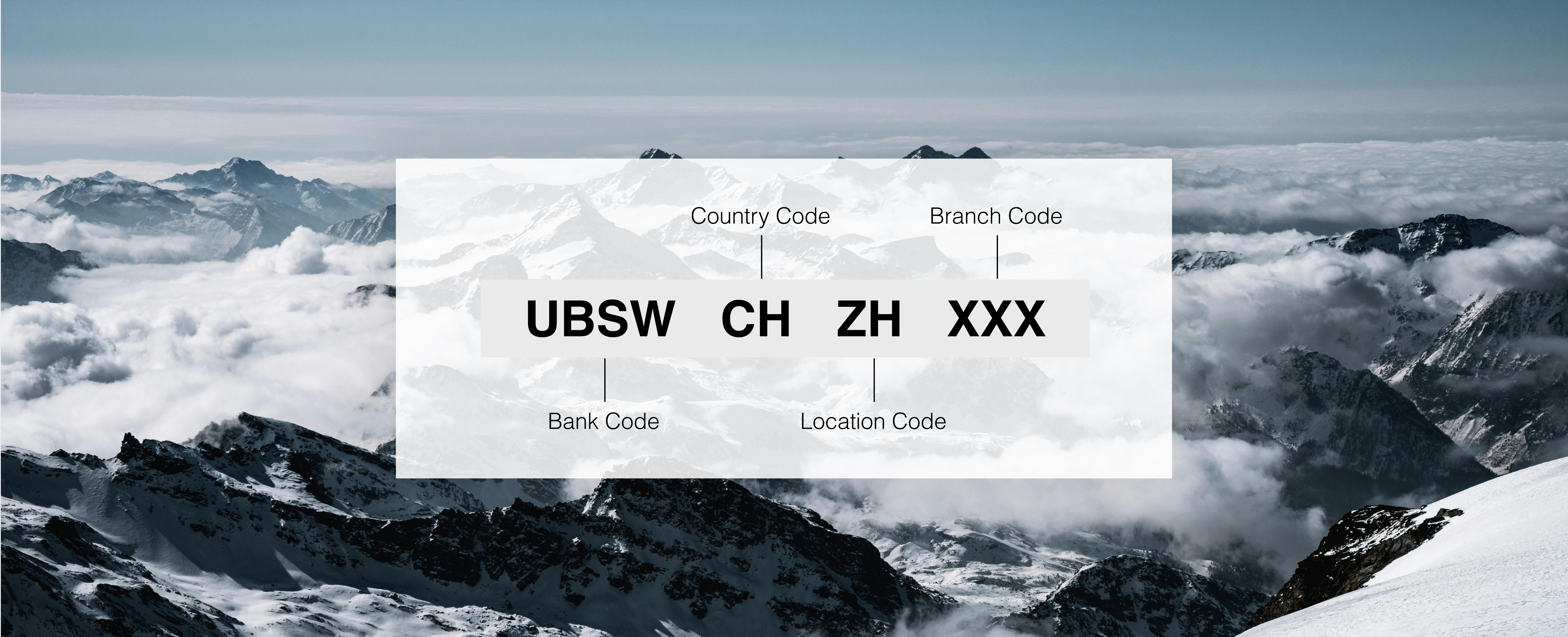
Wie erwähnt umfasst ein SWIFT-Code 8 oder 11 alphanumerische Zeichen. Jeder Abschnitt erfüllt eine bestimmte Funktion bei der Identifizierung des richtigen Instituts und der richtigen Niederlassung.- Bankcode (4 Buchstaben): identifiziert das verarbeitende Institut.
- Ländercode (2 Buchstaben): steht für das Land gemäss ISO 3166-1 alpha-2.
- Ortscode (2 Buchstaben oder Ziffern): verweist auf die Region oder Stadt der Bank.
- Filialcode (3 Buchstaben oder Ziffern, optional): identifiziert eine Filiale; XXX bezeichnet die Zentrale.
Beispiel eines SWIFT-Codes
| Hier ein SWIFT-Code-Beispiel: KLARCH22XXX
|
Formatierungstipps:
→ Grossbuchstaben, keine Leerzeichen oder Bindestriche.→ Ein 8-stelliger Code verweist auf die Zentrale; manche Portale ergänzen XXX automatisch.
→ Kopieren Sie Codes aus offiziellen Quellen; meiden Sie Drittlisten, in denen das SWIFT-Code-Format verändert sein könnte.
Wann brauchen Sie einen SWIFT-Code?
SWIFT-Codes helfen ausländischen Banken, den Anbieter des Empfängers zu identifizieren und die Überweisung korrekt zu routen. Typische Fälle: Überweisung an einen ausländischen Lieferanten, Empfang einer Zahlung aus dem Ausland, internationale Lohn- oder Honorarzahlungen, Auszahlung von Marktplatzerlösen auf ein ausländisches Konto oder Übertragungen zwischen Konten in verschiedenen Ländern. Auch Privatkunden benötigen einen SWIFT-Code für den internationalen Zahlungsverkehr.Hinweis: Bei den meisten internationalen Überweisungen werden sowohl ein SWIFT-Code als auch eine Kontonummer (IBAN oder lokales Format) verlangt.
Fallen bei der Nutzung eines SWIFT-Codes Gebühren an?
Der Code selbst ist kostenlos, doch Banken und Korrespondenzbanken können Gebühren erheben. Mögliche Kostenpunkte:- Ausgangsgebühr der absendenden Bank
- Bearbeitungsgebühren von Korrespondenzbanken
- Eingangsgebühr der empfangenden Bank
- FX-Marge bei Währungsumrechnung
Wo finden Sie BIC und SWIFT-Codes?
→ Kontoauszüge. Viele Bankauszüge weisen den BIC neben den Kontodaten aus.→ Online-Banking/Dashboard. Achten Sie auf „Kontodaten“, „Anweisungen für eingehende Überweisungen“ oder „Internationale Überweisung“. Dort finden Sie den SWIFT-Code sowie IBAN oder lokale Kontonummer.
→ Offizielle Website. Anbieter veröffentlichen oft BICs für ihre Hauptfilialen; gleichen Sie Filiale/Land stets mit Ihrem Konto ab.
→ Kundenservice. Eine sichere Bestätigung Ihres Anbieters oder des Anbieters des Empfängers ist im Zweifel die sicherste Quelle.
→ Verträge oder Willkommensschreiben. Onboarding-Dokumente und Bestätigungs-E-Mails enthalten manchmal den korrekten BIC für Ihr Konto.
→ SWIFT-Verzeichnis / offizielle Lookups. Hilfreich zur Verifizierung, aber stets mit dem Empfänger abgleichen, um Filial- oder Konto-Mismatches zu vermeiden.
→ Drittlisten meiden. Sie können veraltet sein oder einen Zentralcode anzeigen, der nicht zur tatsächlichen Filiale des Empfängers passt.
SWIFT-Code prüfen
Um sicherzugehen, dass ein SWIFT/BIC korrekt ist, prüfen Sie zunächst das Standardformat (8 oder 11 Zeichen). Verifizieren Sie ihn anschliessend über vertrauenswürdige Quellen.- Bestätigen Sie den Code anhand des Kontoauszugs des Empfängers, im Portal oder direkt bei dessen Bank.
- Gleichen Sie den Code mit einem offiziellen SWIFT-Verzeichnis oder den Online-Tools Ihres Anbieters ab.
- Senden Sie bei erstmaligen Zahlungen einen kleinen Testbetrag, bevor Sie den Gesamtbetrag überweisen.
- Nutzen Sie sofern verfügbar Pre-Validation-Funktionen, um Fehler frühzeitig zu erkennen.
Verfügt jedes Finanzinstitut über einen eigenen SWIFT/BIC-Code?
Nein. Grosse, international tätige Anbieter in der Regel schon, kleinere, regionale oder digitale Institute nutzen jedoch oft den Code eines Korrespondenten oder einer Partnerbank für grenzüberschreitendes Routing. In diesen Fällen erhalten Sie vom Empfänger Angaben zur Korrespondenzbank zusammen mit dessen SWIFT-Kontoinformationen. Folgen Sie stets den exakten Vorgaben für Ihre Route und Währung.Was passiert bei einem falschen SWIFT-Code (BIC)?
Ein falscher Code kann zu Ablehnung, manueller Korrektur oder Rückgabe über Korrespondenzbanken führen. Das bedeutet Verzögerungen und Zusatzgebühren bei sendendem, vermittelndem oder empfangendem Institut. Bei einem Fehler informieren Sie umgehend Ihren Anbieter und geben den korrekten BIC an. Sie können auch eine Nachverfolgung oder eine Korrektur anfordern, wenn die Überweisung bereits gesendet wurde. Bewahren Sie die Zahlungsreferenz auf – sie hilft, Recherchen schneller zu klären.Wichtig: Kopieren Sie SWIFT/BIC und IBAN immer aus einer offiziellen Quelle (Bankauszug, Online-Portal oder das Institut des Empfängers). Ein einziges falsches Zeichen kann zu Ablehnungen, Rückgaben oder Verzögerungen führen.
Wie lange dauert eine SWIFT-Überweisung?
Eine SWIFT-Überweisung kann in gut vernetzten Korridoren innerhalb von 24 Stunden ankommen oder mit zusätzlichen Schritten 1 bis 3 Geschäftstage benötigen. Die Dauer hängt von der Route und vom Zeitpunkt der Übermittlung ab. Manche Überweisungen werden mit lokalen Sofortzahlungssystemen verbunden und werden in Minuten gutgeschrieben; andere durchlaufen Korrespondenzbanken und benötigen weitere Prüfungen.Einflussfaktoren:
- Cut-off-Zeiten. Nach dem täglichen Cut-off eingereichte Zahlungen starten am nächsten Geschäftstag.
- Zeitzonen. Geringe Überlappung führt zu Wartezeiten.
- Wochenenden und Feiertage. Geschlossene Werktage in einem Land der Route pausieren die Abwicklung.
- Korrespondenzbanken. Jede zusätzliche Bank bringt Prüfungen und Settlement-Schritte mit sich.
- Compliance- und Betrugsprüfungen. Sanktionsprüfung, KYC/AML und Dokumentenanforderungen können eine Zahlung anhalten.
- Währungsumrechnung. FX bringt Pricing und zusätzliche Schritte mit sich, manchmal mit weiteren Anbietern.
- Datenqualität. Falsche SWIFT-Nummern oder IBAN, unkorrekte Namen oder fehlende Angaben führen zu Korrekturen oder Rückgaben.
- Zahlungstyp und Risiko. Grosse oder risikoreiche Transfers können stärker geprüft werden.
Senden Sie vor dem Cut-off, meiden Sie Wochenenden und Feiertage und verwenden Sie exakte Empfängerdaten aus offiziellen Quellen. Geben Sie erforderliche Referenzen und Verwendungszweckcodes an und nutzen Sie sofern verfügbar Pre-Validation und Tracking, um Probleme früh zu erkennen.
SWIFT in einer sich wandelnden Zahlungslandschaft: Fazit
SWIFT ist zentral für den grenzüberschreitenden Zahlungsverkehr, aber nicht das einzige System. Das russische SPFS und das chinesische CIPS bieten in bestimmten Korridoren Alternativen, sind jedoch primär regional.Aktuell können sie nicht global skalieren. Der Grund ist der Netzwerkeffekt: Finanzinstitute arbeiten lieber mit Partnern, denen sie bereits vertrauen. Das verschafft SWIFT einen Vorteil, denn es verbindet seit 1973 Tausende Anbieter über einen gemeinsamen Standard und strafft den internationalen Zahlungsverkehr.
Und was ist mit Blockchain- und Krypto-Rails? Sie können Werte auf neue Weise bewegen und Transaktionen aufzeichnen. Die Akzeptanz hängt jedoch von Integration, Governance und Schulung in grossen, regulierten Instituten ab. Es ist schwierig, 11'000 Banken für ein neues System zu gewinnen – besonders wenn das bestehende gut funktioniert.
Seit 2017 ermöglicht der Dienst SWIFT gpi, Zahlungen Ende-zu-Ende zu verfolgen, jeder Überweisung eine eigene ID zu geben und Transaktionen schneller zu verarbeiten. Er prüft Angaben früher und nutzt klarere Nachrichtenformate, um Fehler zu vermeiden.
In naher Zukunft sind Verbesserungen bei Tracking, Datenqualität und frühen Fehlerprüfungen zu erwarten. Langfristig dürften unterschiedliche Zahlungssysteme nebeneinander bestehen, mit SWIFT als verbindendem Element.